Why do so many Christians hold a pro-life position that swims hard against the cultural tide—one that draws mockery, strains friendships, and rarely wins a popularity contest? Not from a desire to control women’s bodies, and not from indifference to the genuinely difficult circumstances surrounding pregnancy. The pro-life conviction rests on a specific claim: that human life is sacred from the moment it begins, because Scripture says so, and because Christians answer first to God rather than to prevailing opinion.
That claim deserves a real hearing—not a slogan, but the actual biblical case, weighed honestly alongside the hardest objections raised against it.
The short answer
Christians hold a pro-life position because Scripture consistently treats the unborn as full human persons made in God’s image—known, formed, and valued by God from conception—which makes the intentional ending of that life a matter of profound moral seriousness, not indifference.
The Biblical Case: Human Life From Conception
Several distinct biblical threads converge on the same conclusion: the unborn are not potential persons but actual persons, from the very beginning.
- Made in God’s image (Genesis 1:27). “So God created man in his own image, in the image of God he created him; male and female he created them.” Scripture never marks a later developmental milestone as the moment image-bearing begins—it’s presented as intrinsic to human life itself.
- Intricately formed and known (Psalm 139:13–16). “For you formed my inward parts; you knitted me together in my mother’s womb… my frame was not hidden from you, when I was being made in secret.” David describes God’s personal, intimate involvement in his own formation before birth—not a process God observes from a distance, but one He performs.
- Known and set apart before formation (Jeremiah 1:5). “Before I formed you in the womb I knew you, and before you were born I consecrated you.” God relates to the prophet Jeremiah as a person before his birth—the language of personal relationship, not mere biological potential.
- Legal protection under Mosaic law (Exodus 21:22–25). The law prescribed serious punishment for causing a pregnant woman’s child to die, treating the loss with the gravity reserved for the loss of human life—not as property damage, but as a life.
- Personhood recognised before birth (Luke 1:41–44). The unborn John the Baptist “leaped for joy” in his mother’s womb at Mary’s greeting—Luke’s account describes a real, responsive person, not an inert biological process.
Read together, these texts present a consistent picture: the unborn bear God’s image, are personally known and formed by Him, and were protected under His law—which is why the intentional ending of that life carries, for the Christian conscience, the moral weight of taking a human life.
Taking the Hardest Questions Seriously
A position held only defensively, without engaging its strongest objections, isn’t really held with integrity. These are the questions that deserve the most careful answers.
“What about a woman’s bodily autonomy?”
Bodily autonomy is a real and important value—Scripture itself treats the body with dignity and doesn’t casually override personal agency. But autonomy has always had limits where another person’s life is genuinely at stake; no legal or ethical system grants unlimited bodily autonomy when it comes at the direct cost of another human life. The pro-life position doesn’t deny a woman’s autonomy matters; it holds that the unborn child’s life matters too, and that the two aren’t actually in the zero-sum conflict the framing sometimes suggests—which is why pro-life conviction should always be paired with real, practical support for women facing crisis pregnancies, not just a legal position.
“What about rape or the mother’s health?”
These are the hardest cases, and they deserve to be treated as genuinely hard, not waved away. Scripture’s answer isn’t a simple formula but a recognition that the unborn child’s humanity doesn’t change based on the circumstances of conception, even as the trauma of the mother demands the deepest compassion, support, and care the church can offer. Statistically, cases involving rape or serious maternal health risk are a small fraction of abortions performed, which is worth naming honestly—but even in the hardest cases, the biblical conviction about the unborn child’s personhood doesn’t disappear, which is exactly why these situations call for extraordinary pastoral and practical support rather than a change in principle.
“Isn’t this really about controlling women?”
For some who oppose abortion, that charge may land. But the consistent biblical logic here isn’t about gender control—it flows from the same conviction that grounds Christian opposition to euthanasia, the death penalty’s misuse, and other forms of taking innocent life: that every human being, made in God’s image, deserves protection regardless of size, location, or stage of development. The position is about the value of the child, not the control of the mother.
“Doesn’t the Bible actually stay silent on abortion specifically?”
The word “abortion” doesn’t appear in Scripture, which is true and worth acknowledging directly. But specific vocabulary isn’t required when the underlying principles—the unborn as image-bearers, formed and known by God, protected under His law—are addressed clearly and repeatedly. Many moral questions Christians hold firm convictions about, from euthanasia to genetic engineering, aren’t named explicitly in Scripture either; they’re reasoned from principles that are.
Conviction Without Condemnation
Holding this position doesn’t mean judging those who’ve had abortions, minimising the real trauma many women carry, or treating this as a simple issue for anyone actually facing it. Many who’ve walked through abortion carry genuine grief, and the gospel’s answer to that grief is the same as its answer to every sin: not shame, but grace. Christ’s forgiveness reaches this too, fully and completely—see Healing from Abortion Guilt: Christ Offers Boundless Forgiveness for that side of the conversation. Conviction about the unborn and compassion for women in crisis were never meant to be at odds.
Why This Costs Something to Say
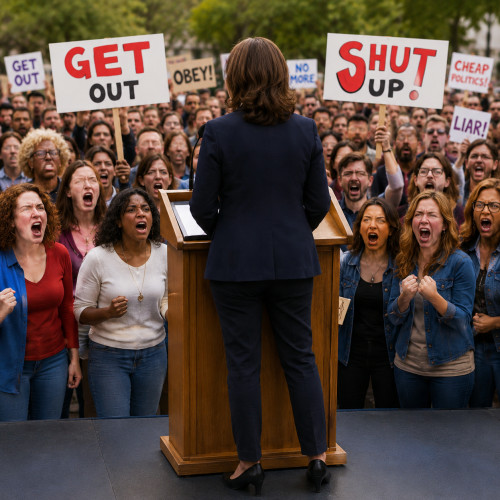
This stance isn’t popular, and Christians who hold it know it. It draws mockery, strains friendships, and cuts against the grain of much of contemporary culture. Christians hold it anyway—not out of a desire to win an argument, but out of the conviction that Scripture speaks clearly here, and that faithfulness to God matters more than social comfort. That’s the whole of it: a hugely unpopular stance, held because we fear God more than we fear the world’s opinion.
Tough Questions, Honest Answers
Does the Bible explicitly say abortion is wrong?
The word “abortion” doesn’t appear in Scripture, but the underlying principles do: the unborn are described as made in God’s image (Genesis 1:27), personally known and formed by God (Psalm 139:13–16; Jeremiah 1:5), and protected under Mosaic law (Exodus 21:22–25). These texts together ground the pro-life conviction even without the specific word appearing.
What about cases of rape or a genuine threat to the mother’s life?
These are the hardest cases and deserve to be treated as such, with real compassion rather than a formula. The biblical conviction about the unborn child’s personhood doesn’t change based on how conception occurred, but that conviction should be paired with extraordinary pastoral support and care for the mother, not indifference to her suffering.
Isn’t opposing abortion just about controlling women’s bodies?
The biblical logic here flows from the value of the unborn child as an image-bearer, the same principle underlying Christian convictions about euthanasia and the sanctity of life generally—not from a desire to control women. Genuine pro-life conviction should be paired with real, practical support for women in crisis pregnancies.
How can Christians claim to care about life but not do enough to support mothers and children after birth?
This is a fair challenge, and individual Christians and churches vary widely in how well they live it out. The consistent biblical position calls for supporting mothers and children well beyond birth—through adoption, foster care, and practical aid—and Christians who hold the pro-life conviction without living out that broader care for vulnerable life fall short of the position’s own logic.
Does this mean Christians think women who’ve had abortions are unforgivable?
No—the opposite. Scripture treats abortion as it treats every other sin: fully forgivable through Christ, with no lingering condemnation for those who repent and trust Him (Romans 8:1). Grief and regret are common and valid, but they’re never meant to become permanent shame.
Why do Christians hold this view when it’s so unpopular?
Because the conviction is rooted in reverence for Scripture’s authority rather than concern for popular approval. Christians who hold this position do so knowing it costs them socially, out of the belief that faithfulness to God matters more than being on the culturally comfortable side of the argument.
Related Reads
- At Conception or First Breath: When Does Human Life Begin?
- Foetal Consciousness: How New Insights Strengthen Pro-Life Position
- Can I Be Pro-Life But Not Religious? 7 Scientific Arguments
- ‘My Body My Choice’? What Does Scripture Actually Teach?
- Is Abortion Justified In the Case of Rape?
- Is the Morning-After Pill an Abortion? A Biblical Perspective
- Why NT Wright Is Wrong, Very Wrong on Abortion
- Healing from Abortion Guilt: Christ Offers Boundless Forgiveness