
Called Vs Chosen: Why Do The Differences Matter?
“Many are called, but few are chosen.” These words from Jesus in Matthew 22:14 have puzzled Christians for centuries. What exactly did He mean? Are these just two ways of saying the same thing, or is there a profound distinction that changes how we understand salvation itself?
Scripture reveals two distinct types of divine calling—and grasping this difference transforms our understanding of God’s grace, human responsibility, and assurance of salvation.
THE EXTERNAL CALL: GOD’S WIDE INVITATION
First, there’s what theologians call the “external” or “general” call. This is God’s sincere invitation extended to all people through the preaching of the Gospel. When Isaiah declares, “Come, all you who are thirsty, come to the waters” (Isaiah 55:1), or when Jesus says, “Come to me, all you who are weary and burdened” (Matthew 11:28), we see this broad invitation at work.
This external call goes out genuinely to everyone who hears the Gospel. God truly offers salvation to all, accompanying His message with the conviction of conscience and the witness of creation. Yet this call can be—and often is—resisted and rejected. The human heart, corrupted by sin, naturally rejects God’s offer despite its sincerity.
Consider Jesus’ parable of the wedding feast in Matthew 22. The king sends servants to invite guests to his son’s wedding, but many refuse to come. Some ignore the invitation entirely; others make excuses. The invitation was real and the feast was prepared, but not all who were invited actually attended. This illustrates the external call—broad, genuine, but often rejected.
THE INTERNAL CALL: GOD’S TRANSFORMING POWER
But Scripture also reveals something far more powerful: the “internal” or “effectual” call. This is God’s irresistible grace that not only invites but actually transforms the heart to respond in faith. Paul describes this in Romans 8:30: “Those he predestined, he also called; those he called, he also justified.”
Notice the certainty in Paul’s language. There’s an unbreakable chain linking God’s calling to justification. This isn’t a call that might be accepted or rejected—it’s a call that always accomplishes its purpose because God doesn’t just invite; He transforms.
When God effectually calls someone, He does more than extend an external invitation. He regenerates the heart, opens blind eyes, and creates the very faith needed to respond. Jesus explained this to Nicodemus: “No one can see the kingdom of God unless they are born again” (John 3:3). This new birth isn’t something we produce—it’s God’s sovereign work.
Consider the dramatic examples in Scripture. Abraham was called from Ur while worshipping idols, yet he immediately obeyed (Joshua 24:2-3). Paul was persecuting Christians when God called him on the Damascus road—and instantly everything changed (Acts 9). Lydia heard Paul preach, but Luke tells us “the Lord opened her heart to respond” (Acts 16:14).
In each case, God didn’t just invite—He transformed.
WHY THIS DISTINCTION MATTERS
Some object: “Doesn’t this make God unfair? Why doesn’t He effectually call everyone?” Paul anticipated this question in Romans 9: “Who are you, a human being, to talk back to God? Shall what is formed say to the one who formed it, ‘Why did you make me like this?’” (Romans 9:20).
The answer isn’t about fairness—it’s about grace. No one deserves salvation. If God saves anyone, it’s pure mercy. Election doesn’t make God unjust; it reveals His amazing grace that He saves anyone at all.
But this raises another concern: “If God chooses who gets saved, why evangelise? Why does human responsibility matter?” Scripture holds both truths in tension. We must preach to all because we don’t know who the elect are. We must call everyone to repent and believe because human responsibility is real, even if divine sovereignty is ultimate.
THE PRACTICAL POWER OF THIS TRUTH
Understanding this distinction provides incredible assurance for believers. Our salvation doesn’t depend on our ability to maintain faith or our strength to persevere. If God has effectually called us, nothing can separate us from His love (Romans 8:38-39).
For those still seeking, this truth offers hope. Maybe you feel too sinful, too hardened, too resistant to God. Take heart—God’s effectual call can overcome any obstacle. The same power that raised Christ from the dead can raise your dead heart to spiritual life.
This doctrine also cultivates proper humility. Salvation is entirely God’s work from beginning to end. We contribute nothing but our sin; God contributes everything else.
So are we merely called, or are we chosen? Let’s trust not in our ability to choose God, but in His power to choose us and effectually call us to Himself. That’s where true assurance lies—not in the strength of our decision, but in the sovereignty of His grace.
CALLED VS CHOSEN: RELATED FAQs
Do modern Reformed scholars agree on the called vs chosen distinction? Yes, there’s remarkable consensus among leading Reformed theologians. RC Sproul emphasised the external call can be genuine yet resistible, while the internal call is always effectual. John MacArthur and John Piper both teach this two-call framework, with Piper particularly stressing both calls demonstrate God’s genuine love. Even Reformed scholars who disagree on other issues (like the extent of the atonement) unite around this fundamental distinction between general and effectual calling.
- How does this relate to the “golden chain” of salvation in Romans 8:29-30? The “golden chain” (predestination → calling → justification → glorification) specifically refers to effectual calling, not the external call. Reformed scholars like Wayne Grudem note every link in this chain is unbreakable—those who’re predestined are inevitably called effectually, not just externally. This is why Paul uses past tense even for glorification; from God’s eternal perspective, it’s as certain as if it already happened. The chain only includes those who respond to the internal, transformative call.
- Can we resist God’s effectual call? While one may initially resist, God’s effectual call will ultimately overcome all resistance without violating the will. Jonathan Edwards explained this as God changing the heart’s desires so the person willingly chooses what they previously rejected. It’s not divine coercion but divine transformation—God makes the unwilling willing. Modern Reformed scholar Michael Horton describes it as God creating the very faith we need to respond, making the call truly irresistible.
What about those who seem saved but later fall away? Reformed theology distinguishes between those who receive only the external call (and may show temporary signs of conversion) and those who receive the effectual call (who persevere). Jesus addressed this in the parable of the soils—some seed produces temporary growth but lacks deep roots. Reformed scholars like Sinclair Ferguson teach true believers may struggle and even experience dark periods, but they will ultimately persevere because their salvation depends on God’s calling, not their strength. Apostasy reveals that someone never experienced effectual calling.
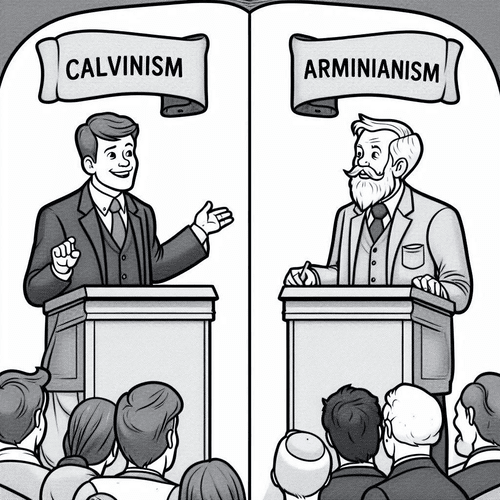
- How do Arminians interpret the called vs chosen distinction differently? Arminian theologians typically see both “called” and “chosen” as referring to the same divine invitation that can be accepted or rejected by free will. They argue God’s election is based on His foreknowledge of who will believe, not His sovereign choice to effectually call certain individuals. However, Reformed scholars like James White point out this interpretation struggles with passages like Romans 9:11-16, which emphasises God’s choice “before the children had been born or had done anything good or bad.” The Reformed view better explains why the call is effectual for some but not others.
- Does this doctrine discourage evangelism since God will save whom He chooses? Historically, this doctrine has actually motivated evangelism among Reformed believers. William Carey, the “father of modern missions,” was a strong Calvinist, as were George Whitefield, Charles Spurgeon, and countless missionaries. Reformed scholars explain we evangelise precisely because God uses ordinary means (preaching) to accomplish His extraordinary work (effectual calling). We don’t know who the elect are, so we cast the net widely. As Spurgeon said, “If God had marked the elect with a yellow stripe down their backs, I would go around lifting shirts!”
How does this distinction affect pastoral counselling and assurance of salvation? Reformed pastors use this distinction to provide different types of counsel. For those questioning their salvation, pastors point to the fruits of effectual calling: genuine love for Christ, ongoing repentance, and perseverance through trials. Those who have only heard the external call need to be urged to cry out to God for the new birth, trusting that He can overcome their spiritual deadness. Reformed counsellor David Powlison emphasised true assurance comes not from analysing our decision for Christ, but from recognising God’s transformative work in our hearts—evidence of His effectual call.
CALLED VS CHOSEN: OUR RELATED POSTS
Editor's Pick
The Throne-Room Vision: Who Did Isaiah See?
The scene is unforgettable: Isaiah stands in the temple, and suddenly the veil between heaven and earth tears open. He [...]

The Angel of the Lord: Can We Be Certain It Was Christ All Along?
Throughout the Old Testament, a mysterious figure appears: the Angel of the LORD. He speaks as God, bears God’s name, [...]
SUPPORT US:
Feel the Holy Spirit's gentle nudge to partner with us?
Donate Online:
Account Name: TRUTHS TO DIE FOR FOUNDATION
Account Number: 10243565459
Bank IFSC: IDFB0043391
Bank Name: IDFC FIRST BANK