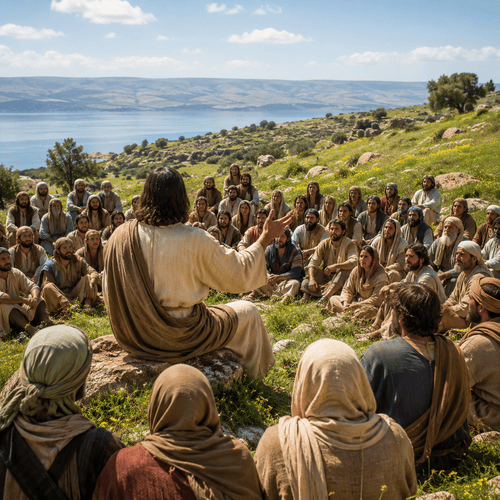

“Not everyone who says to me, ‘Lord, Lord,’ will enter the kingdom of heaven” (Matthew 7:21). Jesus spoke these sobering words to people who were absolutely certain they were going to heaven. They had cast out demons, prophesied, and performed miracles in His name. Yet on judgement day, Christ will declare, “I never knew you.”
This terrifying possibility haunts many believers: What if my assurance is false? What if I’m living in a fool’s paradise, confident in my salvation while actually heading for eternal judgement? The stakes couldn’t be higher, and the question demands a biblical answer.
ASSURANCE IS BOTH POSSIBLE AND ESSENTIAL
Scripture insists genuine assurance is not only possible but desirable. The apostle John wrote, “I write these things to you who believe in the name of the Son of God, that you may know that you have eternal life” (1 John 5:13). Peter urged believers to “make your calling and election sure” (2 Peter 1:10). Paul testified “the Spirit himself bears witness with our spirit that we are children of God” (Romans 8:16).
Yet the same Bible warns of false assurance. Jesus described people who hear God’s word with joy but have no root, wither when trials come (Matthew 13:20-21). Paul commanded the Corinthians to “examine yourselves, to see whether you are in the faith” (2 Corinthians 13:5). Clearly, not all assurance is created equal.
IS MY ASSURANCE OF SALVATION REAL? THREE BIBLICAL TESTS
Reformed theology teaches genuine assurance rests on three solid foundations, each rooted in Scripture and reinforcing the others.
First: God’s Sovereign Grace and Christ’s Perfect Work
True assurance begins not with our decision for Christ, but with God’s eternal decision for us. “He chose us in him before the foundation of the world” (Ephesians 1:4). This divine election, secured by Christ’s atoning sacrifice and applied by the Spirit’s effectual calling, forms the bedrock of our confidence.
Consider Romans 8:30: “Those whom he predestined he also called, and those whom he called he also justified, and those whom he justified he also glorified.” This golden chain of salvation has no weak links. If God has truly called you, your glorification is as certain as if it had already happened.
Jesus declared, “My sheep hear my voice, and I know them, and they follow me. I give them eternal life, and they will never perish, and no one will snatch them out of my hand” (John 10:27-28). Our assurance rests primarily on God’s faithfulness, not our performance.
Second: The Fruit of Genuine Faith
While our works cannot earn salvation, they serve as vital evidence of its reality. “We are his workmanship, created in Christ Jesus for good works” (Ephesians 2:10). True faith inevitably produces spiritual fruit (John 15:5, Galatians 5:22-23).
John’s first epistle provides several tests for genuine faith: Do you love God’s Word rather than the world’s values (1 John 2:15-17)? Do you genuinely love other believers (1 John 3:14)? Do you grieve over sin rather than celebrate it (1 John 1:8-9)? Are you growing in holiness, however imperfectly (1 John 3:9)?
These aren’t perfect standards but directional indicators. The question isn’t whether you’re sinless, but whether sin grieves you and God’s grace is gradually transforming you. As John writes, “Everyone who has been born of God overcomes the world” (1 John 5:4).
Be warned: mere external conformity won’t suffice. Temporary religious enthusiasm, church attendance, or moral behavior can exist without genuine conversion. The rich young ruler had impressive credentials, yet walked away from Christ (Mark 10:17-22). True fruit grows from a transformed heart, not mere external compliance.
Third: The Holy Spirit’s Inner Witness
The Spirit provides a supernatural confirmation that transcends human logic. “The Spirit himself bears witness with our spirit that we are children of God” (Romans 8:16). This isn’t mere emotional feeling or wishful thinking, but the Spirit working through Scripture to produce deep, settled conviction.
Paul describes this Spirit-given confidence: “Because you are sons, God has sent the Spirit of his Son into our hearts, crying, ‘Abba! Father!'” (Galatians 4:6). This intimate sense of sonship, this ability to approach God as a beloved child rather than a fearful stranger, marks genuine conversion.
The Spirit’s witness produces humility and gratitude, not pride and carelessness. It increases our hunger for holiness and deepens our love for Christ. False assurance, by contrast, often breeds spiritual complacency and reduces concern for godliness.
AVOIDING DANGEROUS EXTREMES
Biblical assurance avoids two deadly ditches. First, presumption assumes salvation based on past religious experiences, family heritage, or cultural Christianity without present spiritual reality. “Easy believism” that requires no repentance or transformation offers false comfort to unchanged hearts.
Second, despair assumes that doubts or struggles disqualify us from salvation. But assurance often grows gradually (2 Peter 1:5-8), and even mature believers sometimes wrestle with uncertainty. Christ intercedes for struggling saints (Hebrews 7:25), and God’s grace exceeds our failures.
CULTIVATING TRUE ASSURANCE
God provides means to strengthen genuine assurance: regular Scripture reading, faithful prayer, consistent fellowship, and participation in baptism and communion. These aren’t earning mechanisms but channels through which the Spirit confirms His work in our hearts.
Most importantly, let’s keep looking to Christ rather than ourselves. The gospel promise remains: “Whoever believes in him should not perish but have eternal life” (John 3:16). Those who rest in Christ’s finished work, evidenced by spiritual fruit and confirmed by the Spirit’s witness, can enjoy confident assurance.
Our assurance isn’t foolish if it rests on these biblical foundations. In Christ, we can know—truly know—that we have eternal life.
IS MY ASSURANCE OF SALVATION REAL? RELATED FAQs
Can I lose their assurance without losing their salvation?
Yes, according to Reformed theology, assurance and salvation are distinct. John Owen argued a true believer might temporarily lose assurance due to sin, spiritual neglect, or Satan’s accusations while remaining eternally secure. Contemporary scholar Sinclair Ferguson notes assurance can fluctuate based on our spiritual disciplines and circumstances, but our actual salvation rests on God’s unchanging grace. This explains why godly believers throughout history have sometimes struggled with doubt while remaining genuinely converted.
What’s the difference between “direct” and “indirect” assurance?
Reformed theologians distinguish between direct assurance (the Spirit’s immediate witness to our sonship) and indirect assurance (inference from spiritual fruit and growth). Joel Beeke explains direct assurance comes through the Spirit applying gospel promises to our hearts, while indirect assurance develops as we observe evidences of grace in our lives. Both are valid and often work together—direct assurance provides immediate comfort, while indirect assurance grows through careful self-examination and spiritual maturity.
Why do some churches seem to discourage seeking assurance?
Some branches of Reformed tradition, particularly influenced by Dutch “Nadere Reformatie” (Further Reformation), emphasised thorough self-examination before claiming assurance. Joel Beeke notes this wasn’t meant to discourage assurance but to ensure it was genuine rather than presumptuous. However, contemporary Reformed scholars like Sinclair Ferguson and Michael Horton argue this approach can lead to unhealthy introspection and recommend balancing careful examination with confident resting in Christ’s promises.
How does Reformed assurance differ from other Protestant traditions?
Reformed assurance uniquely emphasises God’s eternal election as the ultimate foundation, while Arminian traditions focus more on present faith and the possibility of losing salvation. Lutheran theology tends to tie assurance more closely to the sacraments and external means of grace. Contemporary Reformed theologian Michael Horton argues Reformed assurance is simultaneously more objective (rooted in God’s decree) and more subjective (involving personal examination) than other traditions, providing both security and motivation for godliness.
What about believers who die without ever gaining full assurance?
Reformed theology maintains assurance, while desirable, isn’t essential for salvation itself. John Calvin distinguished between faith (which all true believers possess) and assurance of faith (which may be weak or absent). JI Packer argued some genuine believers struggle with assurance due to temperament, past trauma, or insufficient teaching, yet remain secure in Christ. Their salvation depends on God’s grace, not their subjective confidence in that grace.
How do we counsel someone experiencing persistent doubt about their salvation?
Reformed theology emphasises both comfort and examination. Sinclair Ferguson recommends first directing doubters to Christ’s finished work and God’s promises, then gently exploring evidence of grace in their lives. Contemporary pastor Tim Keller suggests persistent, anxious concern about one’s salvation often indicates genuine faith—the unregenerate typically aren’t deeply troubled by their spiritual state. Pastors should avoid both false comfort (for the presumptuous) and unnecessary despair (for the genuinely converted but struggling).
Can assurance be too strong? What about “over-assurance”?
Yes, Reformed theology warns against presumptuous assurance that lacks proper foundation. John Owen wrote extensively about false confidence that ignores sin and resists correction. Contemporary scholar Joel Beeke identifies “over-assurance” as confidence that produces spiritual carelessness rather than gratitude and growth. True assurance, according to Reformed teaching, always increases humility, love for God, and concern for holiness—if “assurance” produces the opposite effects, it’s likely presumption rather than genuine Spirit-given confidence.
IS MY ASSURANCE OF SALVATION REAL? OUR RELATED POSTS
- Salvation: Four Responses That Define Our Eternal Destiny
- Saved, Being Saved and Will Be Saved: Salvation’s Three Tenses
- Assurance of Salvation: Can I Really Know I’m Saved?
- Order of Salvation: At What Point Can I Call Myself Christian?
- The Romans Road to Salvation: What Really Is It?
- The Parable of the Ten Virgins: What Does It Really Teach?