
It’s late at night, and you’re staring at the ceiling again. “Am I really saved? How can I know for certain that the Holy Spirit lives in me?” Maybe you’ve struggled with sin lately, or your prayers feel like they’re bouncing off the ceiling, or you just don’t feel as close to God as you used to.
If you’ve wrestled with these questions, you’re not alone. All genuine believers face moments of doubt about their spiritual condition. The enemy loves to whisper accusations, circumstances can cloud our vision, and our own sinful hearts can leave us questioning God’s work and presence within us.
But here’s the remarkable truth: Scripture gives us solid, objective ground to stand on. We don’t have to wonder whether we’re truly God’s children—Reformed theology offers real, biblical confidence, and understanding what the Bible teaches about the Holy Spirit’s indwelling is key to finding it.
The Foundational Promise: Every Believer Has the Spirit
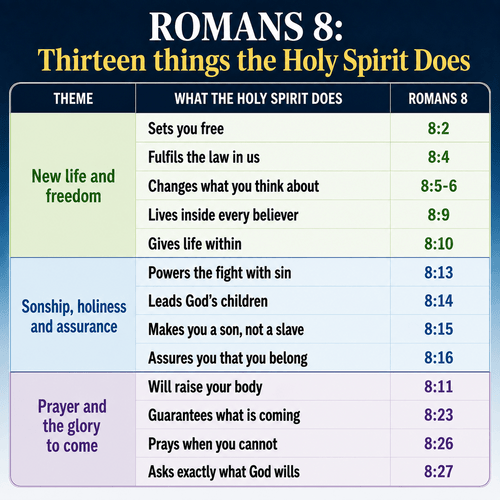
Let’s start with the most important truth in this entire discussion. Romans 8:9 puts it plainly: “If anyone does not have the Spirit of Christ, he does not belong to Christ.” Paul isn’t giving us a maybe or a possibility—he’s stating a fact. No one belongs to Christ without having His Spirit. But here’s the flip side that brings tremendous comfort: if you belong to Christ, you absolutely do have His Spirit dwelling in you. This isn’t describing some elite class of super-Christians. It’s the baseline reality for everyone in Christ.
Paul reinforces this in 1 Corinthians 6:19: “Your bodies are temples of the Holy Spirit, who is in you, whom you have received from God.” Notice the certainty—not “might be” or “could become,” but simply “are.”
Most significantly, Ephesians 1:13 reveals the precise timing of the Spirit’s arrival: “When you believed, you were marked in him with a seal, the promised Holy Spirit.” The indwelling begins the very moment we believe. There’s no waiting period and no second blessing to seek—faith and the Spirit’s presence are simultaneous realities.
THERE’S NO SUCH THING AS A SPIRIT-LESS CHRISTIAN
The moment we place our faith in Jesus Christ, the Holy Spirit takes up permanent residence in our hearts. We don’t need to seek a “second blessing” or wait for some dramatic spiritual experience—if we’re believers, we already have everything we need.
Jesus promised in John 14:16 the Father would give us “another advocate to help you and be with you forever.” The Spirit doesn’t come and go based on our performance or feelings. Once He takes up residence, He remains until we pass from this life into glory.
Four Biblical Tests of the Spirit’s Presence
So how can we recognise the Spirit’s presence within us? Scripture doesn’t leave this to guesswork—it gives us reliable, testable evidence.
| THE TEST | KEY VERSE | WHAT IT LOOKS LIKE | WHAT IT ISN’T |
|---|---|---|---|
| The Inner Witness | Romans 8:16 | A deep, settled confidence that we belong to God, working alongside His Word—present even when we don’t feel spiritual. | Emotional highs, spiritual goosebumps, or a feeling that comes and goes with our mood. |
| The Transformed Life | Galatians 5:16, 22 | Growing conviction over sin, a new hunger for Scripture, and the fruit of the Spirit becoming more evident over time. | Instant perfection. The Spirit sanctifies gradually, not all at once. |
| Love for God’s People | 1 John 3:14 | Supernatural affection for fellow believers—even difficult ones—across racial, cultural and social lines. | Mere sociability, or affection only for people we’d naturally like anyway. |
| Perseverance | Philippians 1:6 | Faith that endures through dark nights of the soul, doubt, and seasons when God feels distant. | The absence of struggle. Some of the greatest saints in history wrestled hardest with assurance. |
The Spirit’s witness always drives us toward Christ, never away from Him. He creates humility, not pride. He produces peace, not anxiety about our performance. And notice what ties the four tests together: none of them depend on a single dramatic moment. They’re a pattern, observed over time.
When Doubts Come: Feelings Aren’t Facts
Let’s be honest: sometimes we just don’t feel saved. Our emotions are all over the place, prayer feels empty, and we wonder if God is even listening. In these moments, remember this: our feelings aren’t the facts. The Holy Spirit’s presence in our lives doesn’t depend on how we feel about it. He’s not there on our good days and absent on our bad ones. Even mature believers like David experienced seasons of spiritual dryness (Psalm 42:1-2), and Romans 7 shows even the apostle Paul battled indwelling sin throughout his Christian life.
“I don’t feel the Spirit’s presence,” some say. But faith anchors itself to God’s unchanging Word, not our changing feelings. Others worry, “I still struggle with sin so much.” The very fact that sin troubles you demonstrates the Spirit’s convicting work within—an unregenerate heart doesn’t grieve over what it loves. “What about my past failures?” Romans 8:1 answers directly: “There is now no condemnation for those who are in Christ Jesus.”
THE OTHER SIDE OF THE COIN: FALSE ASSURANCE
Jesus warned that some who claim to know Him will be told, “I never knew you” (Matthew 7:23). This isn’t meant to terrify genuine believers—it’s meant to wake up those who think they can live however they want as long as they prayed a prayer once.
True saving faith produces real change. If there’s no evidence of the Spirit’s transforming work in a life—no conviction over sin, no love for God’s Word, no desire for holiness—that’s a reason to examine whether faith is genuine, not to relax.
The Ultimate Ground: It’s Not About Us
Here’s the most liberating truth of all: our assurance doesn’t ultimately depend on our performance. It depends on Christ’s finished work and the Father’s eternal purpose. Let’s stop trying to feel saved and instead believe we’re saved on the ground of God’s promises. Our salvation doesn’t rest on the strength of our faith but on the strength of our Saviour. Christ didn’t die for us because we were good enough—He died for us because we weren’t.
Romans 8:28-30 gives us the most secure foundation for assurance. If God chose us before the foundation of the world, called us to faith, and justified us in Christ, then He will glorify us. It’s not a maybe—it’s a certainty. As Paul says in Philippians 1:6, “He who began a good work in you will bring it to completion.” This doesn’t make us careless about sin. It makes us secure enough to fight sin without fear, and humble enough to recognise our standing with God never depended on our fighting in the first place.
Growing in Assurance
How can we strengthen our confidence in the Spirit’s indwelling? Scripture calls us to regular self-examination: “Examine yourselves to see whether you are in the faith” (2 Corinthians 13:5). Look for the biblical signs above—patterns of growth, not perfection.
Engage consistently with the ordinary means of grace: regular Bible reading, earnest prayer, faithful church attendance, and participation in the sacraments. The Spirit works through these appointed channels to strengthen our faith and deepen our assurance. Seek pastoral counsel when doubts persist—wise spiritual leaders can help you see God’s work in your life more clearly than you can see it alone.
If you’ve read this far, take a moment right now to pray. Ask God to give you assurance of His Spirit’s presence. Confess your doubts and fears. Thank Him for the work He’s already done. He’s not waiting for you to get your act together. He’s waiting for you to trust He already has.
REST IN GOD’S PROMISES
The Holy Spirit’s indwelling is God’s precious gift to every believer, received the moment we first trust in Christ and remaining with us until we see Him face to face. Our assurance doesn’t depend on the strength of our faith but on the faithfulness of our God.
When doubts arise, let’s look not primarily inward to our feelings or performance, but upward to Christ and outward to the Spirit’s fruit in our life. The Spirit who indwells us will never leave us nor forsake us. May we rest in that glorious truth.
Tough Questions, Honest Answers
Can someone have the Holy Spirit but lose their salvation?
Reformed theology holds firmly to the perseverance of the saints—those truly indwelt by the Holy Spirit cannot lose their salvation. The Spirit’s sealing work guarantees eternal security, though believers can grieve or quench the Spirit through sin. The Spirit may withdraw His felt presence as discipline, but He never abandons His people permanently.
Can the Holy Spirit’s indwelling vary in intensity or degree?
Reformed scholars like John Murray and Sinclair Ferguson affirm the Spirit’s presence itself doesn’t fluctuate—He either indwells or He doesn’t. However, our experience of His work and our cooperation with His sanctifying power can vary greatly. The “fullness” language in Ephesians 5:18 refers not to getting more of the Spirit, but to the Spirit having more control over our lives through yielded obedience.
What’s the difference between the Spirit’s Old Testament work and New Testament indwelling?
Theologians like Geerhardus Vos distinguish between the Spirit’s temporary, task-specific presence in the Old Testament and the permanent indwelling promised in the New Covenant. Jesus explicitly stated that after His glorification, the Spirit would be “in” believers in a way that was previously impossible (John 7:39, 14:17), fulfilling Ezekiel 36:27’s promise of God putting His Spirit within His people. This is why David prayed “do not take your Holy Spirit from me” (Psalm 51:11)—a prayer unnecessary for New Testament believers, who have the Spirit’s permanent residence.
How does the indwelling relate to the Spirit’s other works like regeneration and baptism?
In Reformed theology, regeneration, Spirit baptism, and indwelling all occur simultaneously at conversion—they’re different aspects of the same divine work. 1 Corinthians 12:13 shows all believers have been “baptised by one Spirit into one body,” making it a universal Christian reality, not a separate later experience. Most Reformed theologians reject the Pentecostal/Charismatic teaching of a distinct “baptism” experience after conversion; what some call “Spirit baptism” is better described as ongoing sanctification or a special season of spiritual renewal.
Can unbelievers have some influence from the Holy Spirit?
Yes. Reformed theology distinguishes between the Spirit’s general operations—conviction, restraining sin, cultural influence—and His special saving work of regeneration and indwelling. The Spirit convicts all people of sin (John 16:8) and restrains evil in society, but only believers experience His regenerating and indwelling presence. This is why unbelievers can feel spiritual conviction without being converted.
What about believers who claim they’ve never felt the Spirit’s presence?
Reformed scholars emphasise the Spirit’s presence is an objective reality independent of subjective feelings. Assurance comes from God’s promises, not personal experience. Some believers have naturally less emotional temperaments, or come from backgrounds that didn’t emphasise feelings, yet they possess the Spirit fully. The evidence lies in spiritual fruit and perseverance, not emotional experience—and awareness of a doctrine is not the same thing as possessing what it describes. Many genuine believers, especially new converts, may not understand the doctrine of indwelling while still possessing the Spirit’s presence.
How should believers understand “grieving” or “quenching” the Spirit in light of permanent indwelling?
Scholars interpret Ephesians 4:30 and 1 Thessalonians 5:19 as describing hindered fellowship rather than departure. John Owen, the great Puritan theologian, explained that sin grieves the Spirit by contradicting His holy nature and purposes, but cannot drive Him away from those He has sealed. Similarly, “quenching” refers to suppressing or resisting the Spirit’s promptings and gifts rather than extinguishing His presence. These passages call believers to maintain unhindered communion with their permanently indwelling Helper.
Is speaking in tongues evidence of the Spirit’s indwelling?
Contemporary Reformed scholars generally take either a cessationist position (tongues ceased with the apostolic age) or a cautious continuationist view. Both camps agree tongues are not necessary evidence of the Spirit’s indwelling, contrary to classical Pentecostal teaching. The fruit of the Spirit (Galatians 5:22-23) provides far more reliable evidence than any spiritual gift, including tongues.
What role does church membership play in confirming the Spirit’s indwelling?
Reformed theology strongly emphasises the church’s role in confirming genuine conversion and the Spirit’s work. The local church, through pastoral care and mutual accountability, helps believers grow in assurance and identifies authentic spiritual fruit. Church discipline also serves to restore those who may be grieving the Spirit. Isolated Christianity, while possible, lacks the biblical pattern of community discernment that helps confirm the Spirit’s transforming work.
Related Reads
- Assurance of Salvation: How Can I Know I’m Truly Saved?
- Is the Holy Spirit Present in Unbelievers? The Biblical Answer
- Before Pentecost: Did the Holy Spirit Indwell OT Believers?
- What Does it Mean to Grieve the Holy Spirit?
- Is the Holy Spirit God?
- The Inner Witness: How the Holy Spirit Assures Us of Sonship
- What Does It Mean to be Baptised in the Holy Spirit?
- When Words Fail: How the Holy Spirit Helps Us in Our Prayers
- What Does the Holy Spirit Do in Salvation?
- Is 1 Corinthians 14 Proof That Tongues and Prophecy Continue?
t